


Table of Contents
Poisoning from Dhatura is a well-known toxicological emergency in many parts of South Asia. The plant, scientifically known as Datura, contains toxic alkaloids such as atropine, scopolamine, and hyoscyamine. These chemicals affect the nervous system and produce what doctors call anticholinergic toxicity.
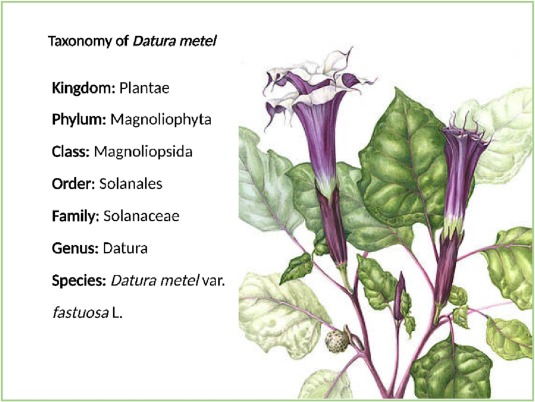
People may be exposed to Dhatura accidentally, through traditional remedies, or intentionally. When a patient arrives at the hospital with symptoms of Dhatura poisoning, one of the first decisions doctors must make is whether the patient should be admitted to a general ward or the intensive care unit (ICU).
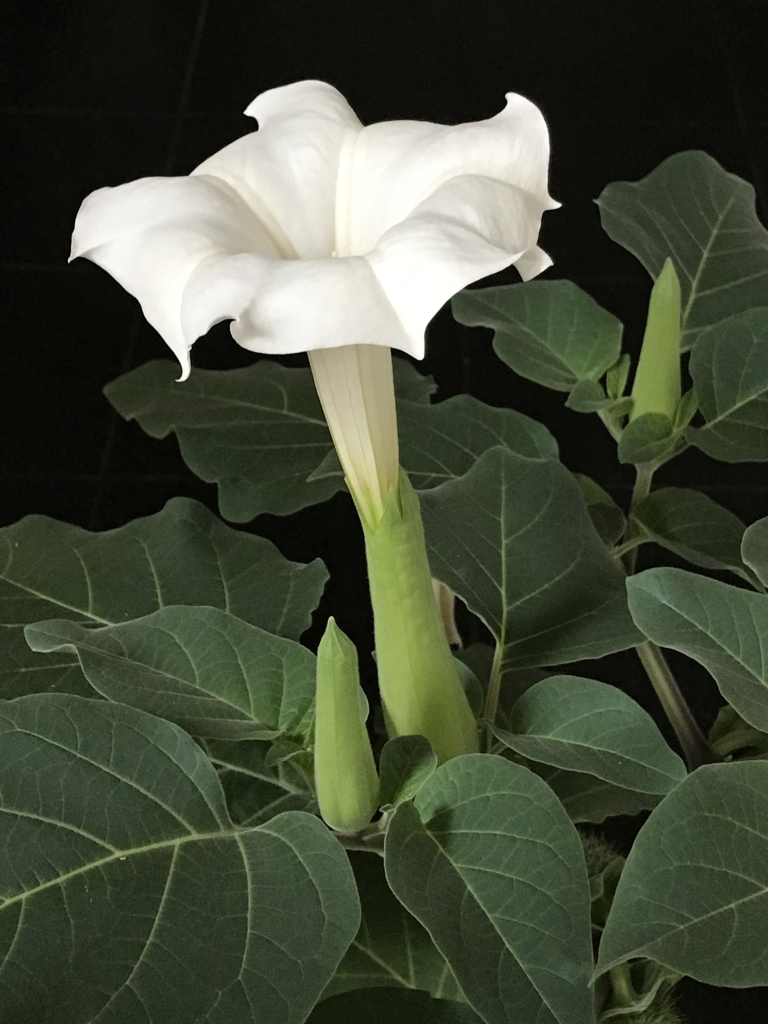
Common Symptoms of Dhatura Poisoning
Dhatura poisoning mainly affects the brain, heart, and autonomic nervous system. Patients may develop symptoms such as:
- Dry mouth and thirst
- Dilated pupils with blurred vision
- Rapid heartbeat (tachycardia)
- Flushed skin
- Confusion or agitation
- Hallucinations or delirium
- Fever or hyperthermia
In severe cases, patients may develop seizures, coma, or serious heart rhythm problems.
When Ward Admission Is Enough
Not all patients with Dhatura poisoning require ICU care. If the patient has mild to moderate symptoms and stable vital signs, they can usually be managed safely in a hospital ward.
Ward admission is appropriate when:
- The patient is conscious and responsive
- Vital signs are stable
- Symptoms are mild, such as mild confusion or dry mouth
- There is no respiratory distress
- No severe agitation or seizures are present
These patients are usually treated with supportive care, including monitoring, intravenous fluids, and medications to control agitation if needed. Most patients improve within 24–48 hours.
When ICU Admission Is Required
Some patients develop severe toxicity and require close monitoring and advanced support. These cases should be admitted to the ICU.
ICU care is recommended if the patient has:
- Severe delirium or violent agitation
- Seizures
- Coma or reduced consciousness
- Severe tachycardia or dangerous arrhythmias
- Very high body temperature
- Respiratory failure or need for airway protection
- Unstable blood pressure
ICU admission allows continuous monitoring, airway management, and specialized treatments if complications develop.
Key Point for Clinical Practice
The decision between ward and ICU admission depends mainly on symptom severity and patient stability. Mild cases can be managed in the ward with observation, while severe or unstable cases require ICU care.
Conclusion
Dhatura poisoning can range from mild confusion to life-threatening toxicity. Early assessment and appropriate level of care are essential to prevent complications. Most patients recover well with timely medical treatment and proper monitoring.
Understanding when to admit patients to the ward versus the ICU helps healthcare providers ensure safe and effective management of this potentially dangerous poisoning.

Leave a Reply